You’ve read the article about morning routines. You’ve saved the thread on habits. You’ve listened to the podcast about focus, twice. And very little has changed. That isn’t because the ideas were bad.
What makes self-improvement stick
Three things need to happen. The ideas have to be good, you have to remember them, and you have to come back tomorrow. Most apps and books are strong on the first. The second and third are where people quietly drop off.
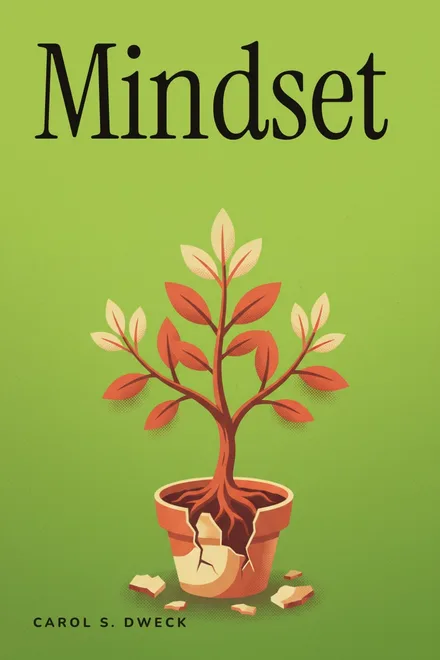
Remembering comes from use, not exposure. Try one idea the same day, and test yourself on it later rather than rereading. Coming back comes from making the habit small and pleasant: a few minutes you look forward to beats an hour you dread. In Mindset, Carol Dweck’s point that ability grows with effort applies to the habit itself. You don’t have to be a disciplined person to start. You get more disciplined by starting small.
A few minutes you look forward to beats an hour you dread.

What to look for in an app
- Ideas you can act on, not just facts to know.
- Something that tests what you remember, like a quiz or flashcards.
- A reason to come back that suits you, whether that’s a plan, a streak or a reminder.
- A format that fits the gaps in your day.
We make BrainDrop, so we’ve kept the comparisons factual and linked each app’s App Store listing. Facts checked .
-
1Headway
Best for guided self-growth plans
Headway is built for self-growth, with a personalised daily plan, themed challenges on topics such as confidence and relationships, and flashcards of key insights.
Worth knowing More than 1,700 summaries, on iPhone and Android. Free to download with a free trial of Headway Premium.
-
2BrainDrop
Best for daily, illustrated reading
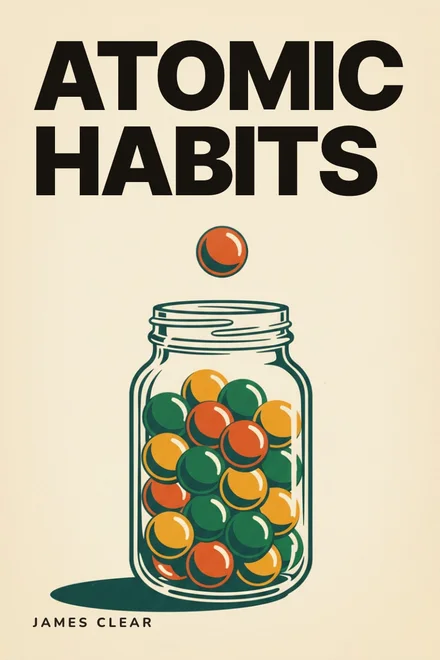
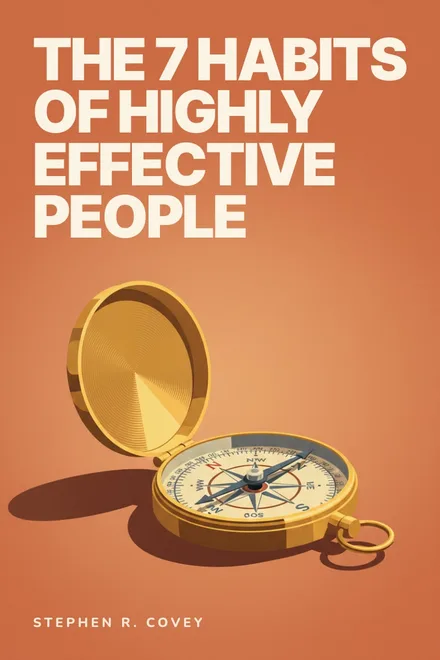
BrainDrop draws on self-improvement classics like Atomic Habits, The 7 Habits of Highly Effective People and Mindset. Every idea ends with a Try this action, a quick quiz after each book helps it stick, and Ask BrainDrop can help you apply an idea to your own life.
Worth knowing iPhone only, and its library is smaller than the big names, though growing. Free to download with a free trial, then BrainDrop Pro.
-
3Imprint
Best for visual courses on subjects
Imprint’s visual courses cover subjects such as psychology and philosophy, alongside guides to popular books, in chapters of two minutes or less.
Worth knowing Subjects as well as books, on iPhone, iPad, Mac and Android. Free to download, then a paid subscription.
-
4Blinkist
Best for listening on the go
Blinkist has the biggest library here, with over 9,000 summaries to read or listen to in about 15 minutes.
Worth knowing The biggest library here, with over 9,000 titles and audio for each. Blinkist Basic is free, with one editor-picked summary a day.
-
5Nibble
Best for school-style subjects
Nibble builds a daily learning habit with short interactive lessons on subjects beyond self-help, from logic to personal finance.
Worth knowing Lessons on subjects such as maths, science and art rather than whole books. Free to download with a free trial.
-
6Deepstash
Best for a free feed of ideas
Deepstash collects short ideas from books, articles and podcasts into a feed, and lets you write and share your own.
Worth knowing The free tier is generous, with over 200,000 ideas. Pro removes ads and adds audio and offline saving.