Money · Book summary
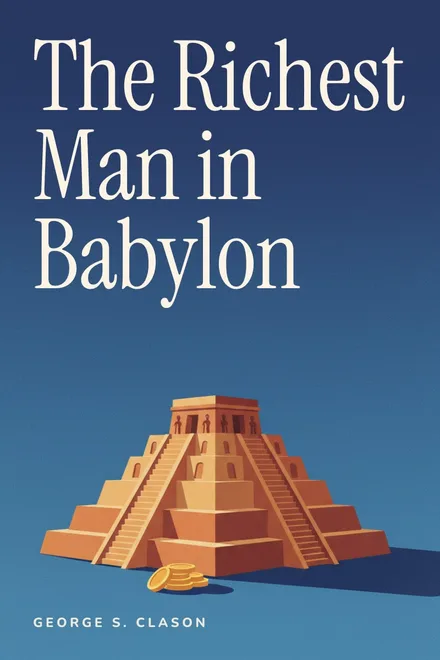
The Richest Man in Babylon summary
George S. Clason teaches money basics through parables set in ancient Babylon. The core lesson: keep at least a tenth of everything you earn, control your spending, put your savings to work, protect them from loss, and keep growing your ability to earn. Simple rules, followed patiently, build wealth.
The Richest Man in Babylon summary: the core argument
The Richest Man in Babylon began in the 1920s as a series of pamphlets that banks and insurance companies handed out to customers, and was published as a book in 1926. George S. Clason, an American businessman, set his lessons in ancient Babylon, a city famed for its wealth, and told them as stories rather than rules.
The book opens with Bansir, a chariot builder, and Kobbi, a musician, who have worked hard all their lives and are still poor. They go to their childhood friend Arkad, now the richest man in Babylon, and ask how he did it. Arkad’s answer is the book’s first and most famous principle: a part of all you earn is yours to keep. Before paying anyone else, pay yourself at least a tenth.
Arkad learned this from a moneylender, Algamish, and his first attempt went badly: he trusted his savings to a brickmaker who promised to buy jewels from Phoenician traders, and the jewels turned out to be worthless glass. The lesson, that savings should only be trusted to people who know the business, becomes part of a fuller system. In later chapters Arkad teaches seven cures for a lean purse, his son learns five laws of gold, and other characters learn about luck, debt and work.
None of this is complicated, which is the point. Clason’s view is that wealth comes less from cleverness than from habits kept for years: saving a fixed share, spending less than you earn, investing carefully and building your skills.

Key ideas from The Richest Man in Babylon
The book’s main ideas, each with one practical takeaway. In BrainDrop, The Richest Man in Babylon is 9 short illustrated cards with a quick quiz at the end; this page is the written version.
1Pay yourself first
The first cure for a lean purse is to keep at least one coin in every ten you earn. Clason’s insight is psychological: if you set the tenth aside before paying for anything else, you barely notice the difference in your spending, yet your savings grow steadily.
Arkad says he was surprised to find he lived no worse on nine-tenths than on the whole.
Try this
Set up an automatic transfer of ten per cent of your income into a separate account on the day you’re paid.
2Control your expenses
Clason observes that what we call necessary expenses always grow to match our income unless we push back. A pay rise quickly disappears into a bigger flat, a better car or more meals out.
The cure is to budget deliberately, separating real needs from desires, so that you can afford what matters and still keep your tenth.
Try this
Go through last month’s spending and mark each item as a need, a want you value, or a want you’d happily drop.
3Make your gold multiply
Saving is only the start. Clason wants each saved coin to become a worker that earns more coins, whose earnings then earn too. Arkad describes his savings as an army of golden slaves working for him, the old language of the book for what we’d now call compound returns.
Money left idle, or spent as soon as it’s saved, never gets the chance to grow.
Try this
Check where your savings sit today and whether they earn anything after inflation. If not, research one low-cost way to invest them.
4Guard your treasure from loss
Arkad lost his first year’s savings by trusting a brickmaker to buy jewels. The lesson is to invest only where your capital is safe and to take advice from people experienced in that kind of investment.
Clason warns against tempting promises of quick, large returns. A small, reliable return beats a big one that may cost you everything.
Try this
Before your next investment, ask: does the person advising me have real experience in this, and what happens if it goes wrong?
5Own your home and insure your future
Two of Arkad’s cures look ahead. Make your dwelling a profitable investment, so that money spent on housing builds your own wealth rather than a landlord’s. And insure a future income, so you’re provided for when you can no longer work and your family is protected if you die.
In modern terms, that means thinking about home ownership, pensions and insurance early.
Try this
Check whether you are paying into a pension and whether your dependants would be covered if your income stopped.

6Increase your ability to earn
The seventh cure is to cultivate your own powers: study, become more skilful at your work and more respected in your trade. The more you know and can do, the more you can earn and the more opportunities will find you.
Clason links this to self-respect: paying debts promptly, providing for your family and making a will.
Try this
Choose one skill that would raise your income and spend a set time each week improving it.
7Luck favours people who act
In the chapter on the goddess of good luck, men discuss why fortune passes them by. Their stories show the same pattern: opportunity appeared, and they hesitated, procrastinated or let someone talk them out of it.
Clason’s conclusion is that good luck can be enticed by accepting opportunity when it comes.
Try this
Think of one opportunity you’re currently putting off deciding on, and set a date by which you’ll say yes or no.
8Pay your way out of debt
Dabasir the camel trader, once a slave because of his debts, escapes them with a plan carved on clay tablets: save one-tenth of what he earns, pay two-tenths to his creditors, and live on the remaining seven-tenths. He explains the plan honestly to the people he owes, and they accept.
Debt, in Clason’s telling, is overcome by a fixed rule, honesty and steady effort rather than a single windfall.
Try this
If you have debts, list them, choose a fixed share of your income to repay them, and keep saving a small amount alongside.
The Richest Man in Babylon quotes
Quoted from the book and checked against it.
“A part of all you earn is yours to keep.”
“That what each of us calls our ‘necessary expenses’ will always grow to equal our incomes unless we protest to the contrary.”
“Better a little caution than a great regret.”
Chapter-by-chapter overview
The book is a series of linked parables. Most editions include these chapters, plus a short historical sketch of Babylon at the end.
- The Man Who Desired Gold and The Richest Man in Babylon Bansir and Kobbi ask their old friend Arkad how he grew rich, and he tells how he learned to keep a tenth of all he earned.
- Seven Cures for a Lean Purse Arkad teaches his seven rules to the men of Babylon.
- Meet the Goddess of Good Luck A discussion of why opportunity passes most people by.
- The Five Laws of Gold Arkad’s son Nomasir learns the laws of saving and investing, after losing much of his first gold to bad investments.
- The Gold Lender of Babylon and The Walls of Babylon On lending wisely, and on the value of protecting what you have.
- The Camel Trader of Babylon and The Clay Tablets from Babylon Dabasir’s escape from debt and slavery, and his repayment plan.
- The Luckiest Man in Babylon A former slave rises through hard work, the book’s case for the value of labour.
Who should read The Richest Man in Babylon?
The Richest Man in Babylon is a good first money book for anyone, especially young people or those who’ve never had a system for saving. It’s short and the stories make the rules memorable.
Experienced investors will find little new, and the advice is too general for modern questions such as pensions, tax or index funds. Treat it as the foundation and build on it with a modern book.
Criticisms of The Richest Man in Babylon
The book is nearly a century old, and it shows. The language is archaic, the characters are almost all men, and slavery appears as background without comment.
Its advice is also very simple. Saving a tenth may not be enough to retire on today, owning a home isn’t always the better financial choice, and the book says nothing about diversification or costs. Supporters reply that its basic habits, saving first, spending less than you earn and avoiding schemes, remain the foundation of sound personal finance.
Books like The Richest Man in Babylon

The Richest Man in Babylon summary: questions
What is the main lesson of The Richest Man in Babylon?
Save at least a tenth of everything you earn before spending, then invest it carefully so it grows. Small, consistent habits build wealth.
What are the seven cures for a lean purse?
Start thy purse to fattening (save a tenth), control thy expenditures, make thy gold multiply, guard thy treasures from loss, make of thy dwelling a profitable investment, insure a future income, and increase thy ability to earn.
What are the five laws of gold?
In short: gold comes to those who save at least a tenth; it works for owners who invest it profitably; it stays with cautious owners who take advice from experts; it slips away from those who invest in things they don’t understand; and it flees from those chasing impossible returns or following schemers.
How many chapters are in The Richest Man in Babylon?
Most editions have around ten parable chapters plus a short historical sketch of Babylon. Exact numbering varies by edition.
Is The Richest Man in Babylon still relevant?
Its core habits are, especially paying yourself first. Its specific advice is dated, so pair it with a modern personal finance book.
The Richest Man in Babylon vs Rich Dad Poor Dad: which should I read first?
The Richest Man in Babylon is shorter and covers the basics of saving and investing. Rich Dad Poor Dad focuses more on mindset and assets. Many readers start with Babylon.
Read The Richest Man in Babylon as illustrated cards in BrainDrop
The 9 ideas from The Richest Man in Babylon, each told as a short illustrated story with one small thing to try today, then a quick quiz to make it stick. Free to download, with a free trial.
- Pay Yourself First
- Control Your Expenses
- Make Your Gold Multiply
- Guard Your Treasure From Loss
- Own Your Dwelling
- Insure a Future Income
- Increase Your Ability to Earn
- Luck Favors Men of Action
- The Clay Tablets Debt Plan
Choosing an app?
Free book summary apps for iPhone · BrainDrop vs Deepstash · Best book summary apps in 2026